

How to choose a healthier breakfast cereal
Cereal can be part of a healthy breakfast – if you know how to build it. A few simple additions can boost protein and fibre, helping support muscle health, digestion and more stable energy through the morning. I also share some of the better options to look for at the supermarket.
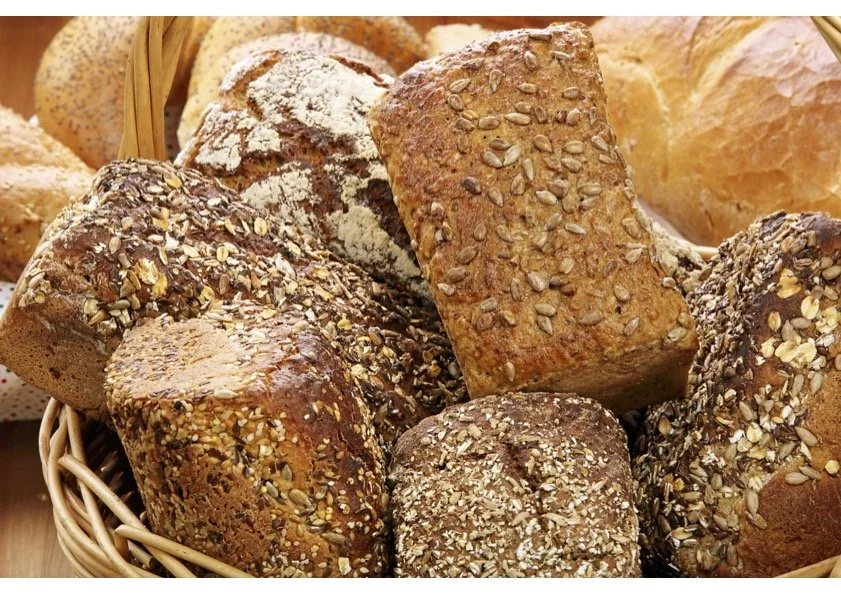
How to choose a healthier bread
Not all bread is created equal. Many products labelled ‘wholegrain’ are still made with refined flour, making them less filling and less supportive of long-term health. This guide shows you what to look for and the better options to choose at the supermarket.

Metabolic health in midlife: what you need to know
Metabolic health often begins to shift in midlife, influencing energy, weight and long-term health. Research shows that even small changes in blood glucose, cholesterol and blood pressure can affect future risk – highlighting the value of consistent, everyday habits.

How to choose a healthier yoghurt
Yoghurt can be a simple, everyday food that supports muscle, bone and digestive health – if you choose well. This guide shows you what to look for, how to avoid common pitfalls and the best high-protein options to buy at the supermarket.

Why body composition changes after menopause
If you feel like your body has changed in ways you can’t explain, you’re not imagining it.
After menopause, shifts in hormones affect how your body burns fat, maintains muscle and regulates energy, often making the strategies that once worked feel less effective.
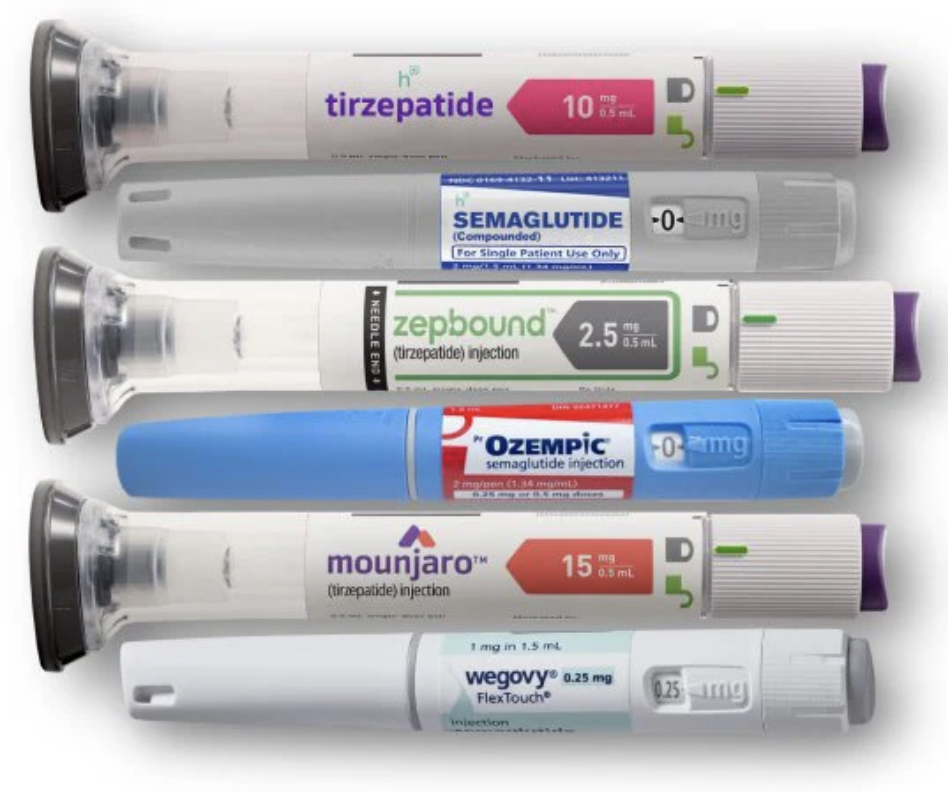
What to eat on GLP-1 medications: supporting gut health and nutrition

Why nutrition is essential on GLP-1 medications
GLP-1 medications can be highly effective for weight loss, but they don’t replace the need for good nutrition. How you eat during – and after – treatment plays an important role in preserving muscle, supporting metabolic health and maintaining results long term.
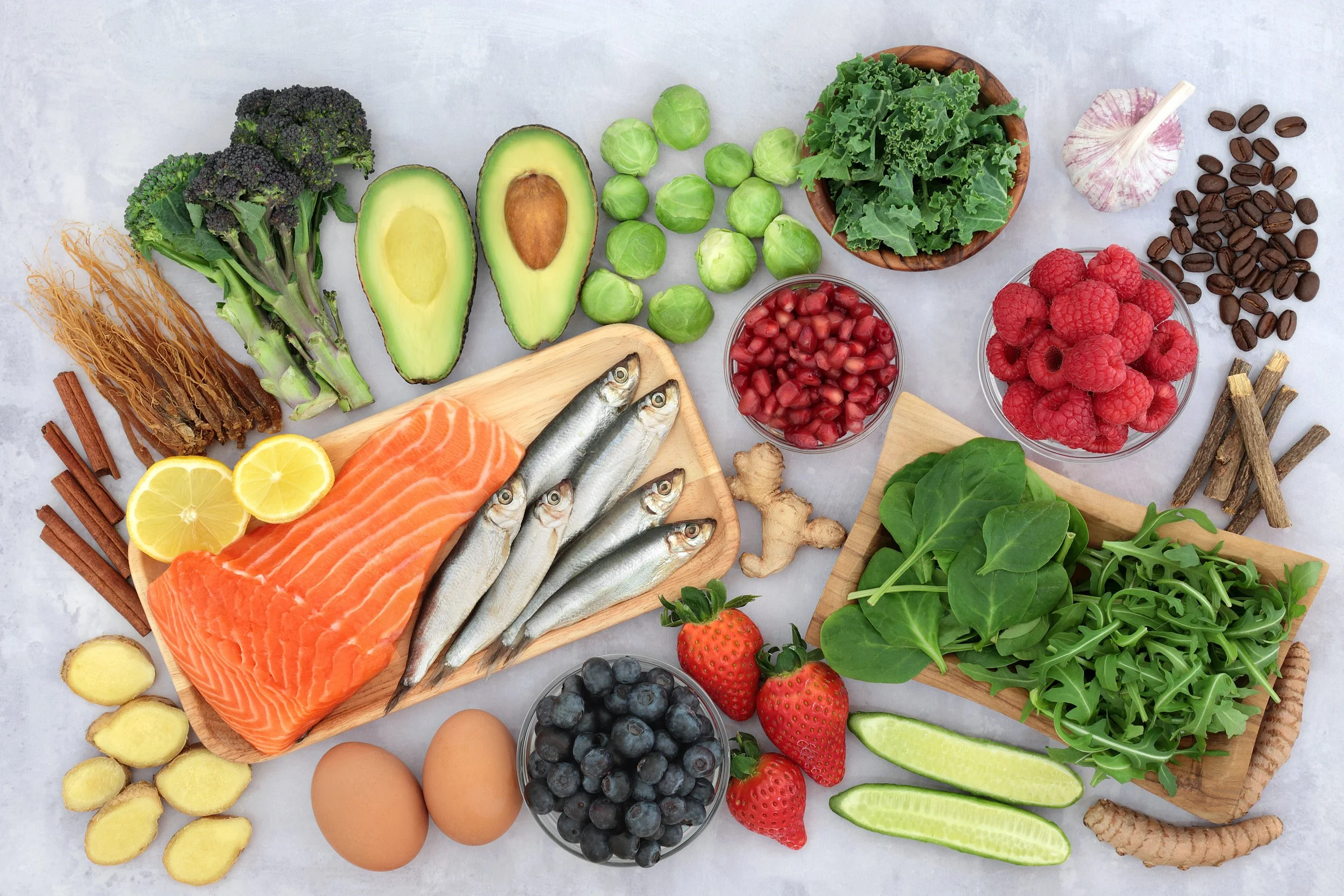
Ageing is not just about getting older
Ageing is not simply a process of time passing. Research suggests it is shaped by changes in metabolic, immune and inflammatory systems — many of which are influenced by how we live. Midlife offers a valuable opportunity to support these systems and influence how we age.

Rethinking Alzheimer’s: it may not start in the brain
Alzheimer’s has long been thought of as a disease of the brain. But emerging research suggests its origins may lie in the body – particularly in metabolic and immune health. This shifts the focus toward prevention and the role of everyday habits.

Iron deficiency and fatigue in perimenopause
Fatigue is common during perimenopause, but it’s not always just hormonal. Iron deficiency is often overlooked and can significantly affect energy, concentration and overall wellbeing – making it an important area to address.
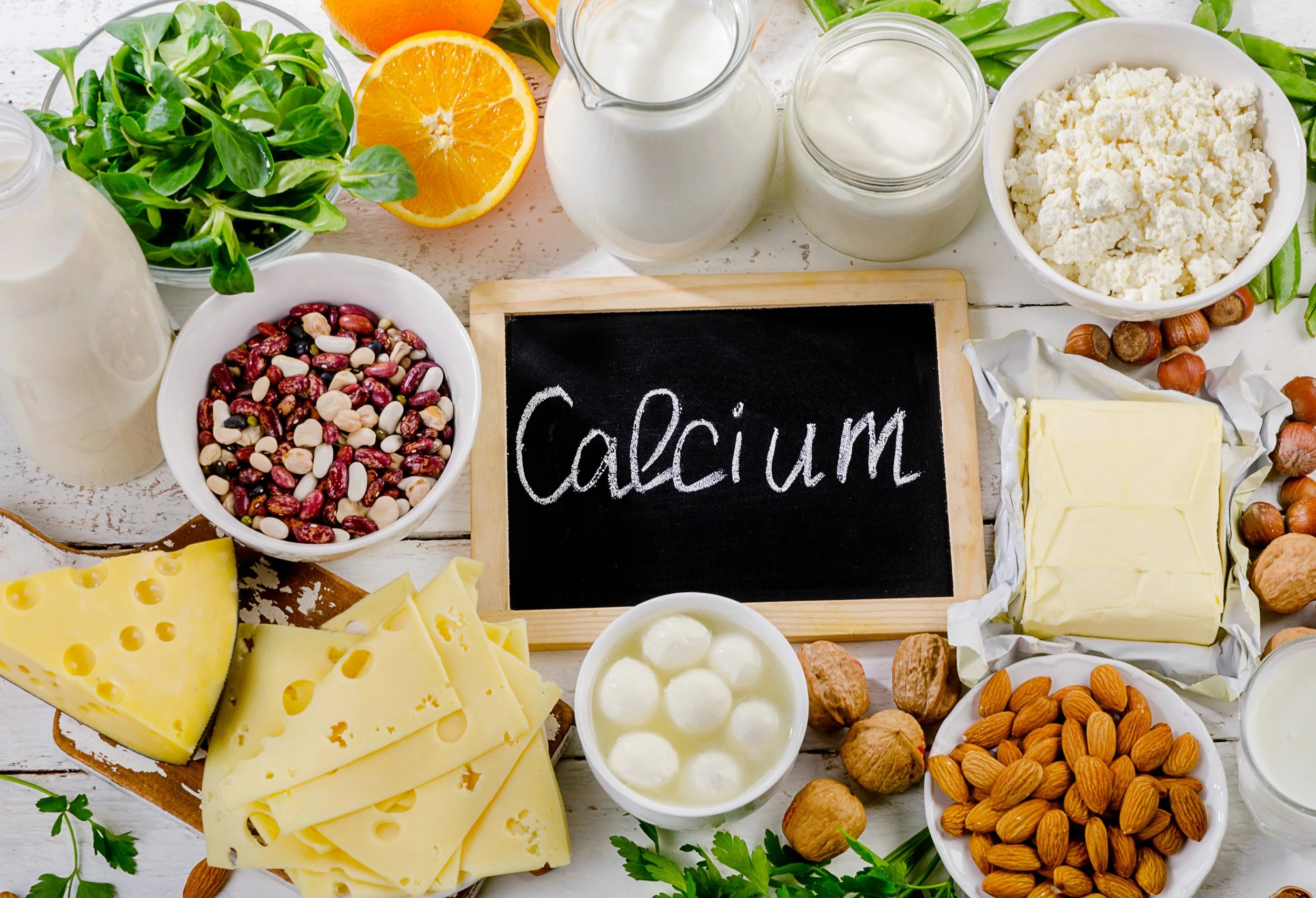
Why calcium is important in midlife
Calcium becomes increasingly important in midlife as bone density begins to decline, yet nutrition data shows 91.2% of women aged 51–70 are not meeting their requirements. Understanding how to include enough calcium in your daily diet becomes an important step in supporting long-term bone health.